February 24, 2025

JQ at the TITC – The Wrap Up
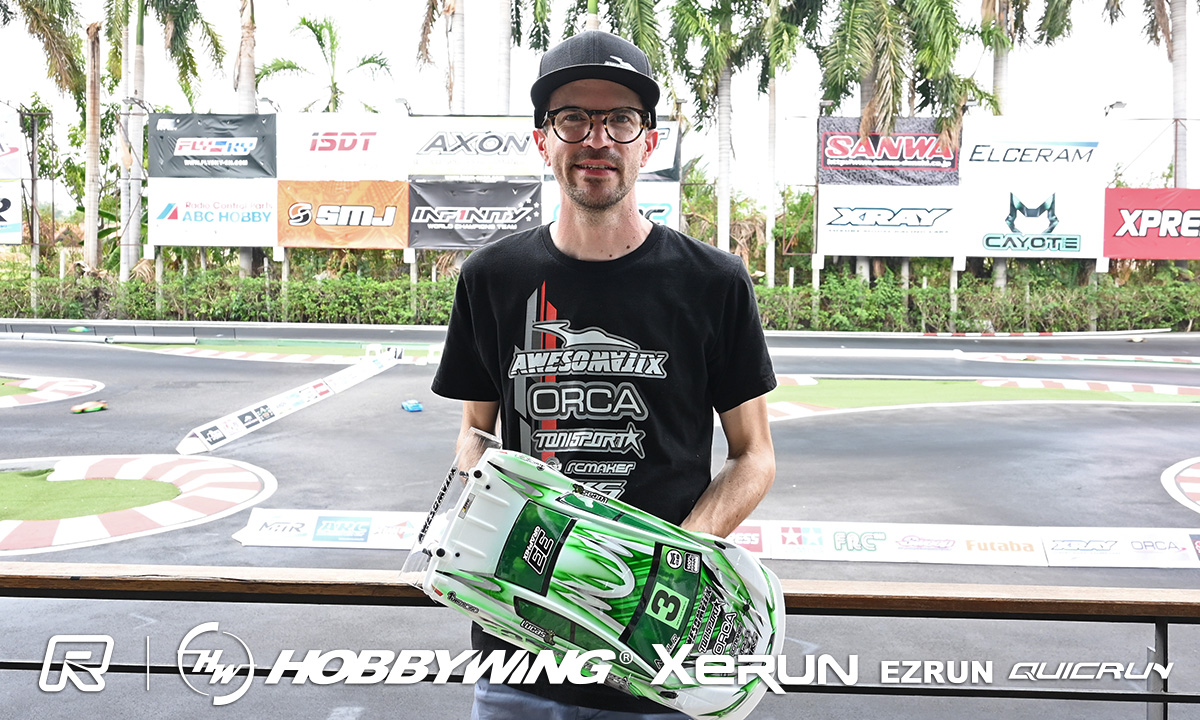
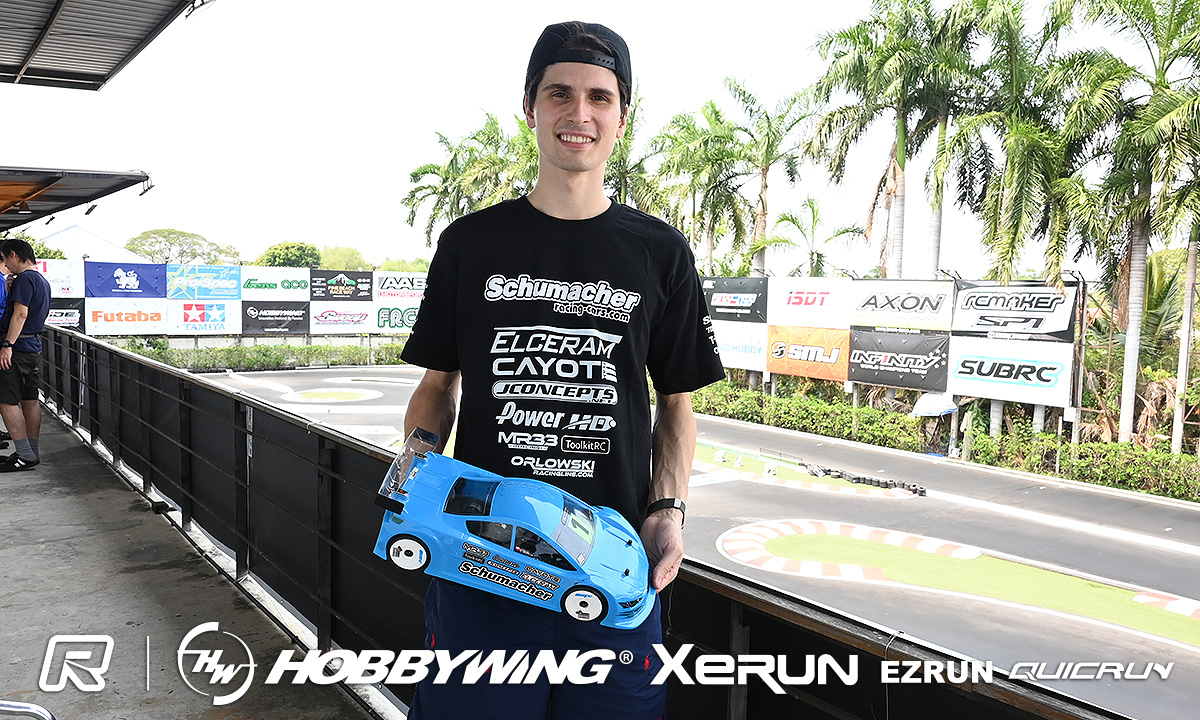
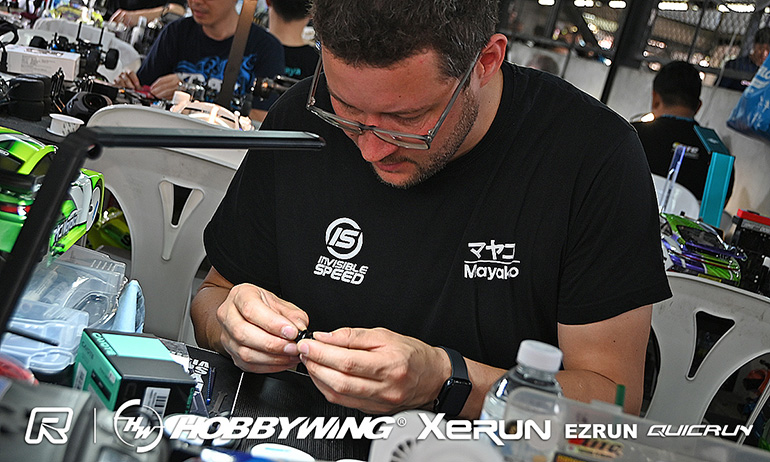
The 21st edition of the TITC is now done & dusted and having made his debut at the world’s greatest annual Electric Touring Car race, it was great to see Offroad racer Joseph Quagraine leaving the track on Sunday evening on high after the whole experience.  Maybe the high was not from his own racing exploits in Bangkok, but the process of car set-up and the fact he ended up helping out some pretty big names has the man behind Invisible Speed wanting to come back for more.  Having entertained us with his daily column from the race, here is his wrap up piece from the Infinity RC Addict Circuit.  Take it away JQ……..

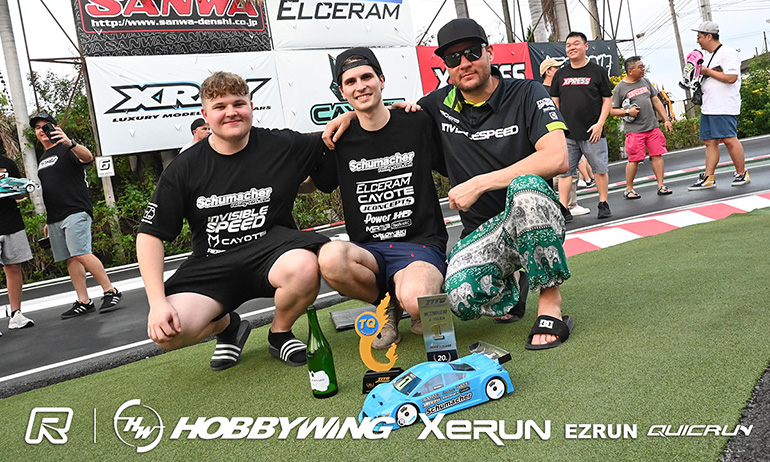
The race is over, we got dominance by Michal Orlowski, another classic Marc Rheinard last lap pass, and Pekko won his C-final. I also had my second E-final where my hands were only shaking for 1 out of 5 minutes, and I finished 3rd. I managed to enjoy my final laps.
Let’s take a look at a few setup ideas that I found to be very good on this high grip, edgy feeling, and for Touring Cars bumpy track.

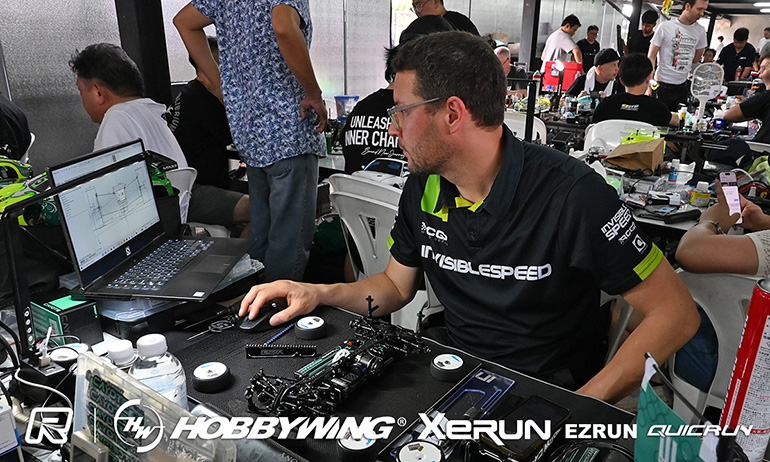
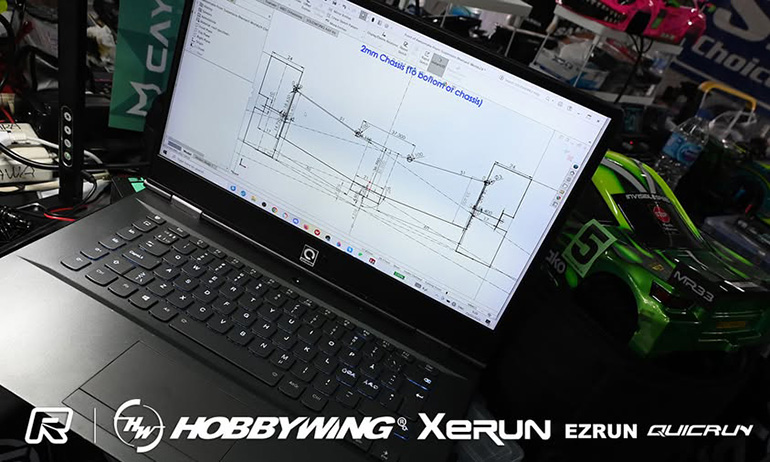
There is no one correct way to set a car up, but there are better and worse ways. I believe that for the best base, you need to adjust your roll centers by checking the geometry in some CAD software for example. To put it simply, I generally want the front RC to be slightly lower than the rear RC, and both to be below ground level. There are different ways of achieving this, with different levels of camber gain and geometric stiffness, and that’s where experience comes in. A setup like this results in a car that is stuck to the track, rotates naturally, and at the limit tends to push. Then you need to adjust everything to this base. Depending on the track there are a few decisions you need to make early on.

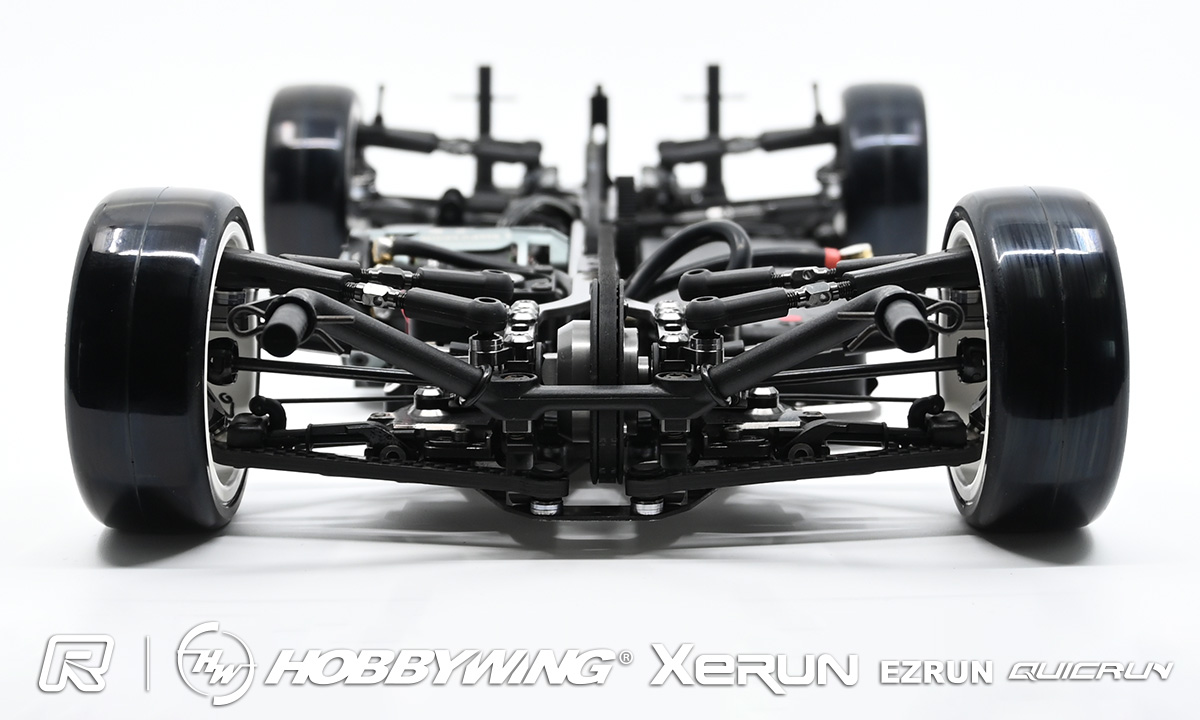
1. Long upper camber links/arms help to slow everything down, calm down response, give less initial grip, more overall grip. On a flowing layout, inconsistent grip, bumps and hot weather where conserving tyres is important, long upper links is a good option to decide on and stick to.

2. Hard rear diff: A thicker rear diff oil will help maintain rear grip off power, and through a corner, and give better acceleration out of corners. If the car pushes, or is loose out of corners, it is often better to solve those issues in other ways, and keep the thick rear diff oil.

3. A basic principle of car handling, is understanding how load transfer increases or decreases the grip of an end or a corner of a car. More load on a tyre = more grip up to a point, and faster load transfer = more initial grip. The grip changes occur faster, the car is more responsive, you have a higher peak of traction, but losing your car into a slide also happens faster without warning. The suspension of the car is what determines how quickly load transfers. The chassis moving and rolling in corners is delaying load transfer. No suspension would mean instant load transfer. The long links is one way to slow down load transfer, allowing the car to roll more. The most powerful way however, is the shocks. For a condition where we want to slow down load transfer, we want heavy damping, but still enough pack to have good response and control. A way to achieve this is to increase the amount of holes in the pistons of the same size you are running, and use a thicker oil. The heavier slower damping will give your car more consistent grip and easier more controllable handling in an edgy high grip surface.
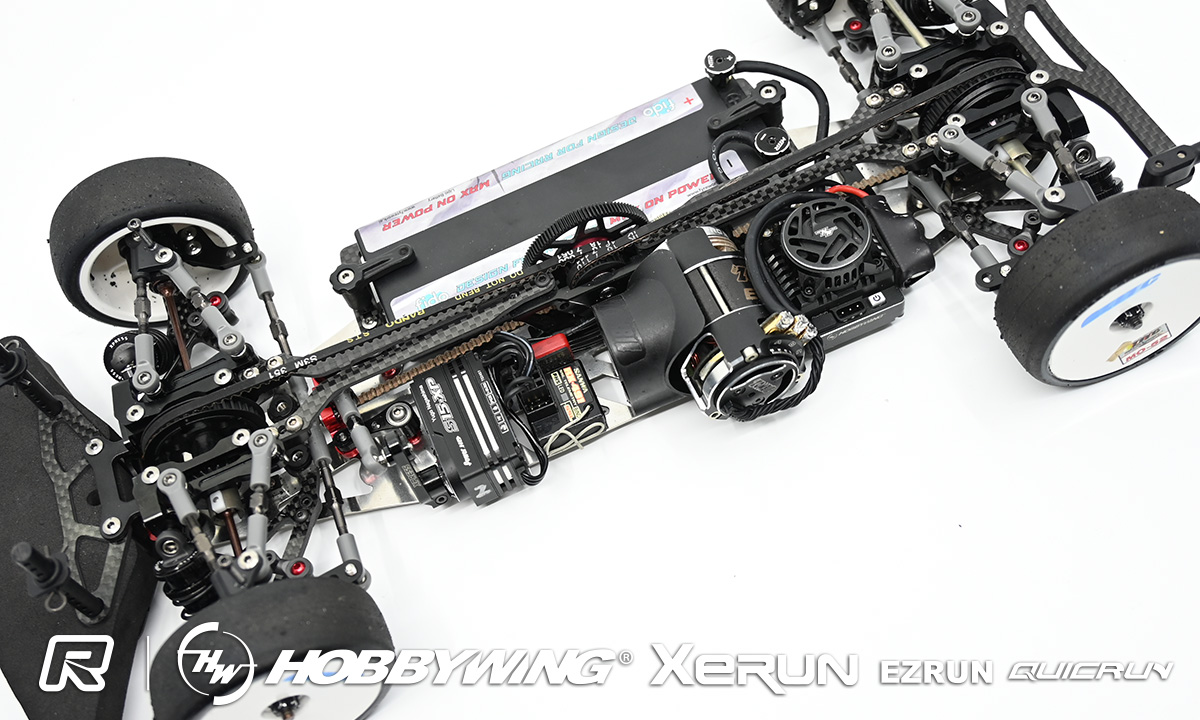
There you have 3 key setup points that I feel are important to lock down early on, and then you start fine tuning your car with camber, toe, droop, bump steer etc. We can talk more about that later.

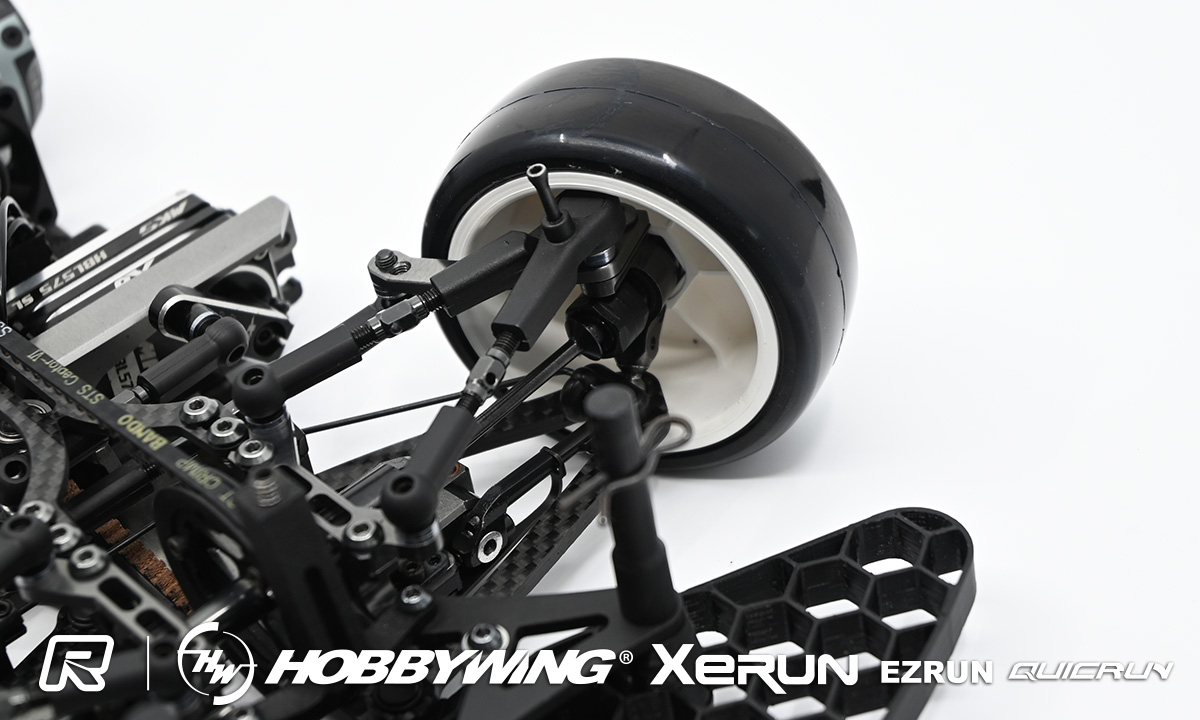
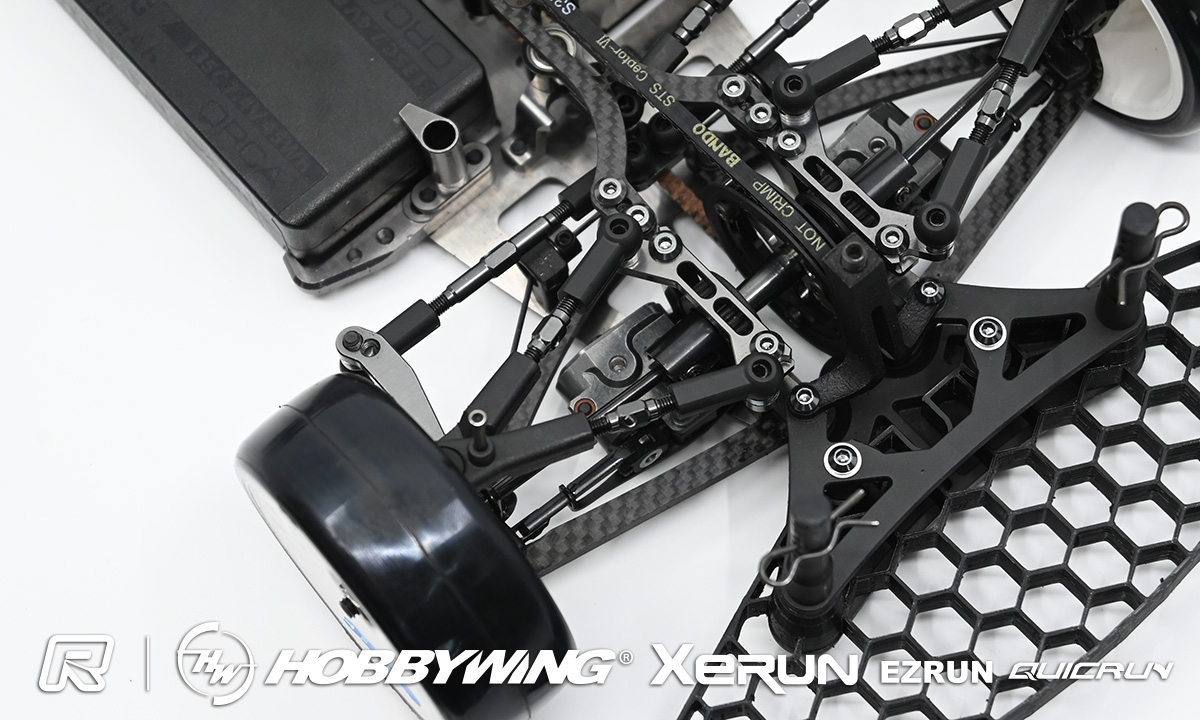
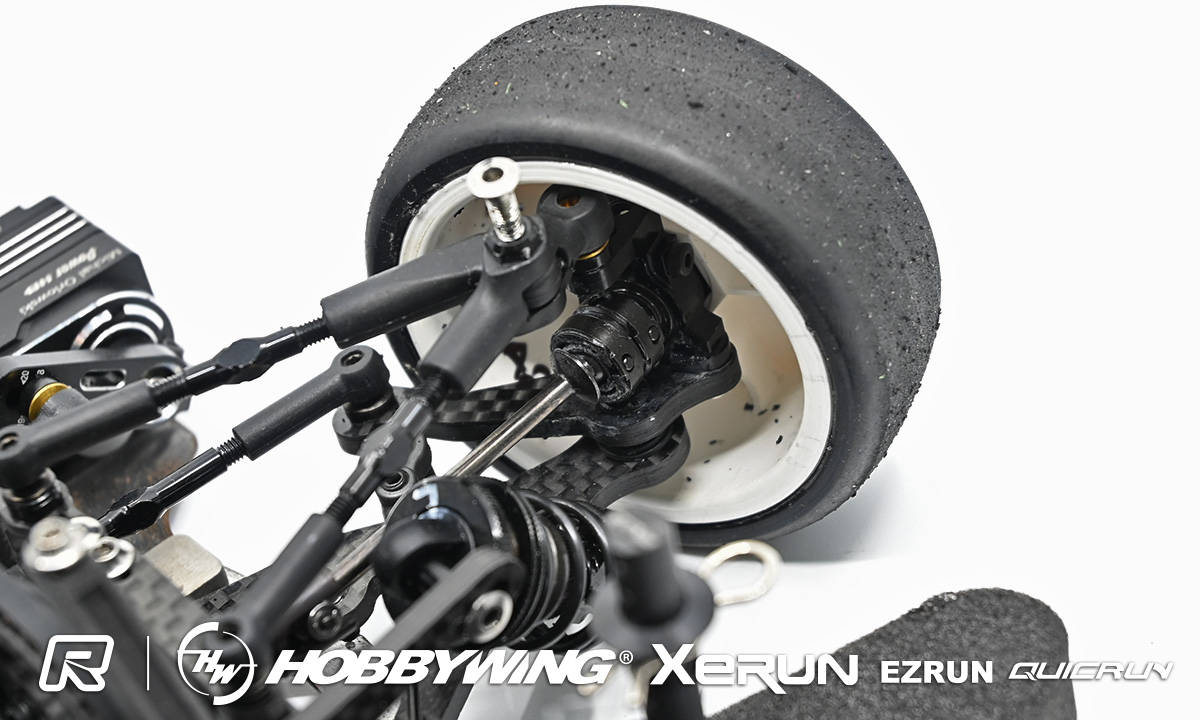
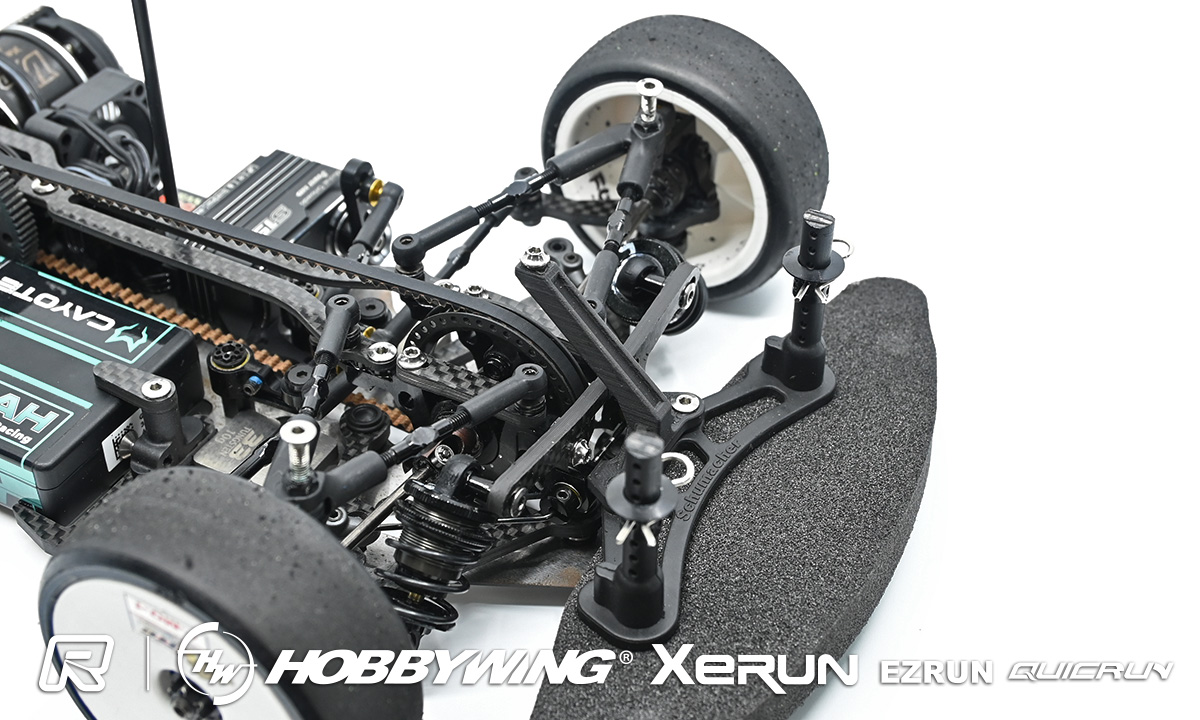
I just want to reiterate one point.  The difference between Q4 and A1 for Michal was a 0.5mm bump steer shim, making his outside tyre bump in under compression, increasing entry steering, allowing for less wheel input, resulting in more steering, corner speed, and a 3.3s win margin with a car that for him felt easier to drive.

The previous significant evolution in TC was when Oleg released his Awesomatix.  The next evolution will be a setup developed for a particular driver, giving him exactly what he needs to perform at his best, while maintaining….invisible speed.

View previous ‘JQ at the TITC’ columns here – Day 1Day 2Day 3


February 23, 2025

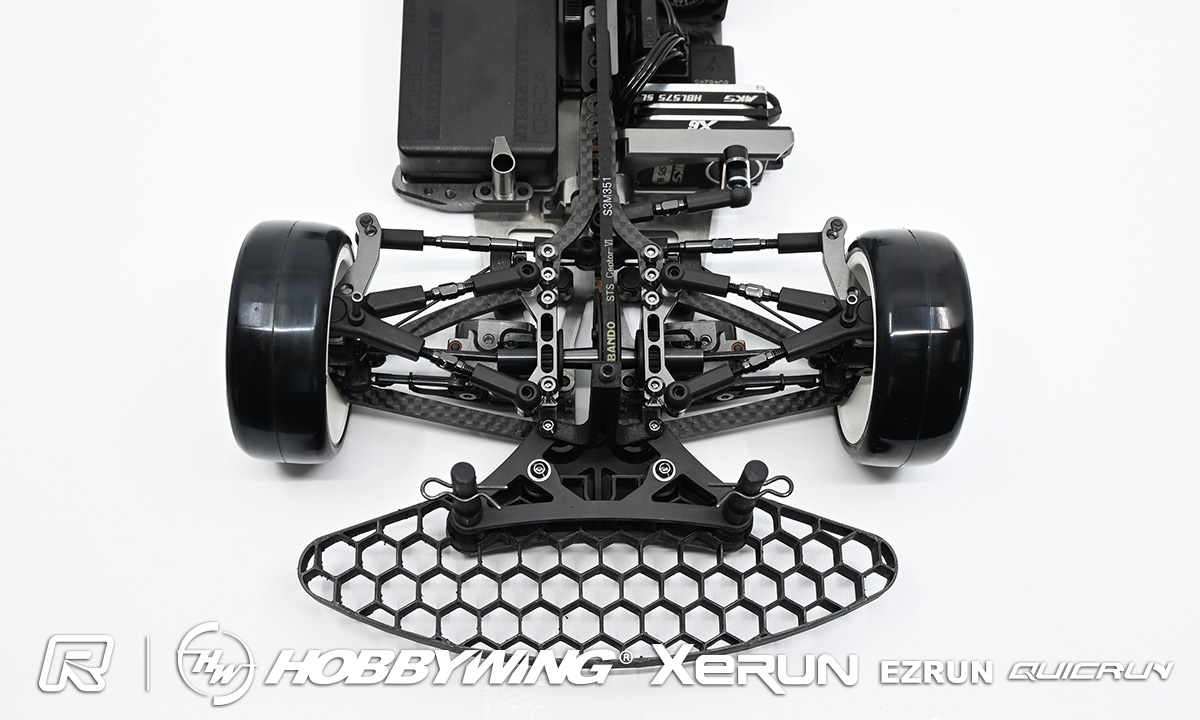
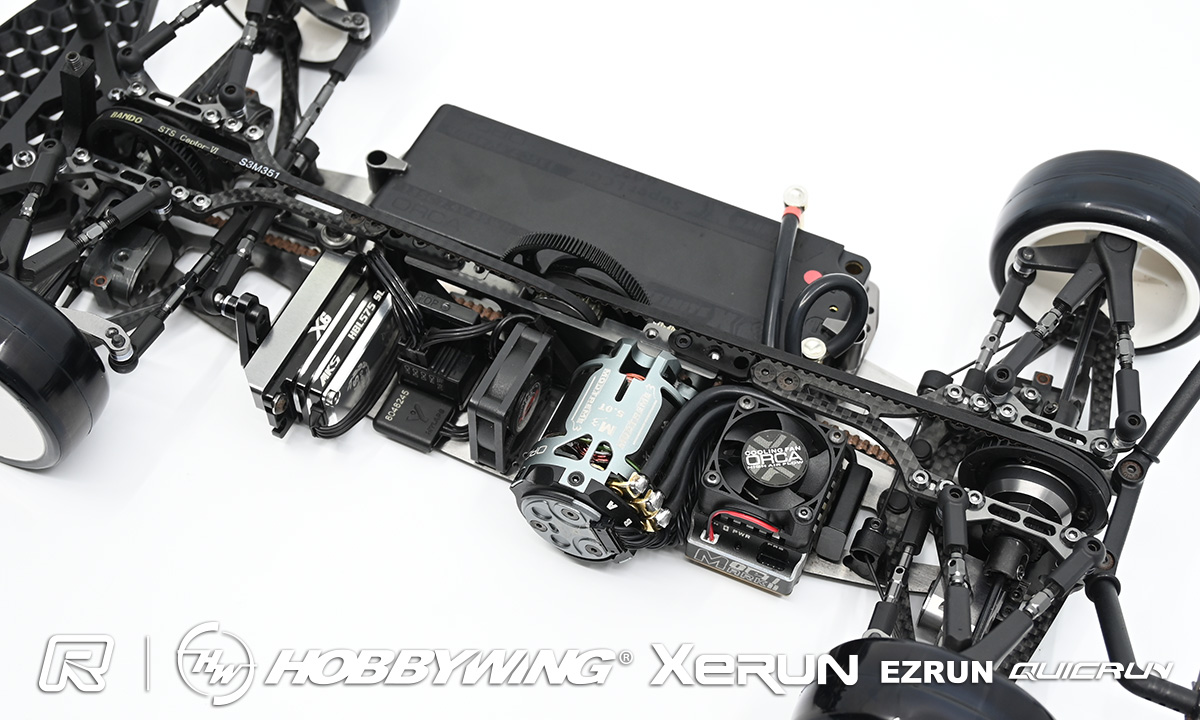
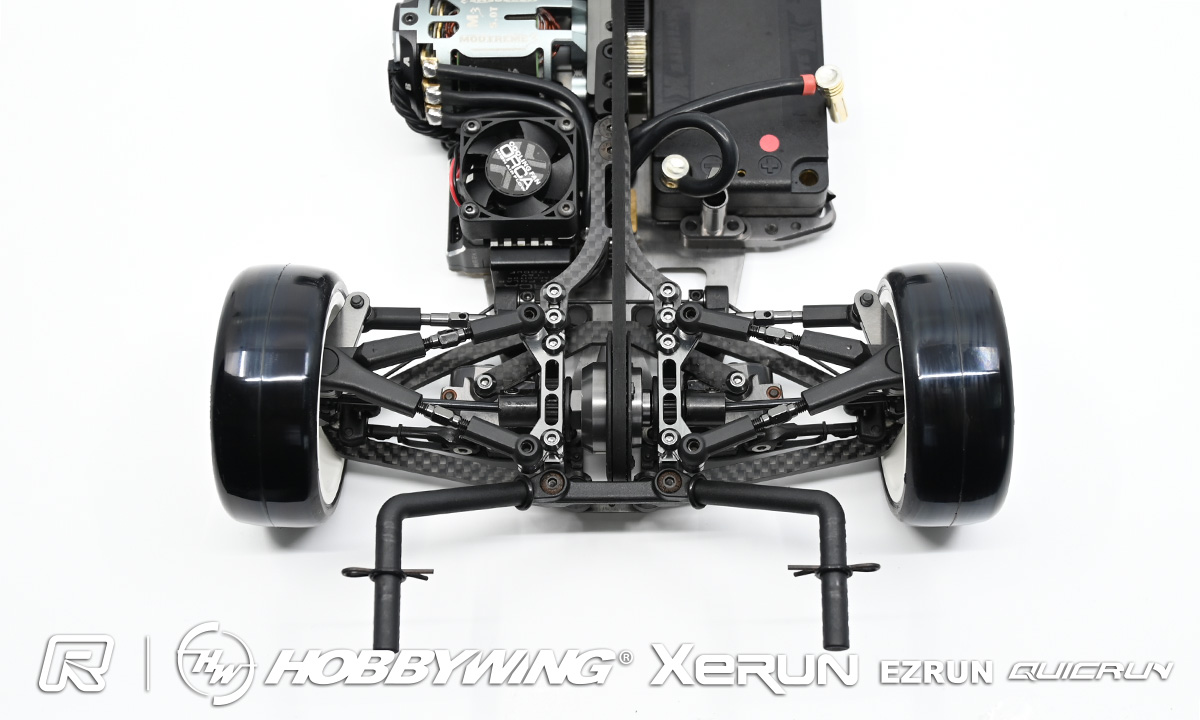
Chassis Focus – Lucas Urbain (Awesomatix)

Chassis – Awesomatix A800R
ESC – Orca OE1 Mark II
Motor – Orca Modtreme 3 5.0T
Battery – Orca Infinite X 6090mah
Tires (handout) – Sweep
Radio/Servo – Sanwa M17 / MKS HBL575SL
Body – Xtreme Speciale

Image Gallery


February 23, 2025

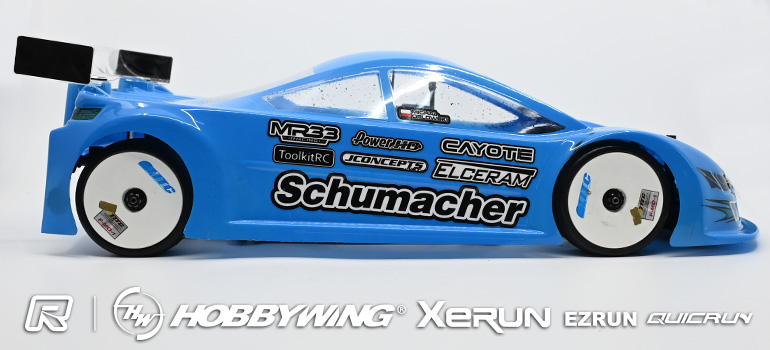
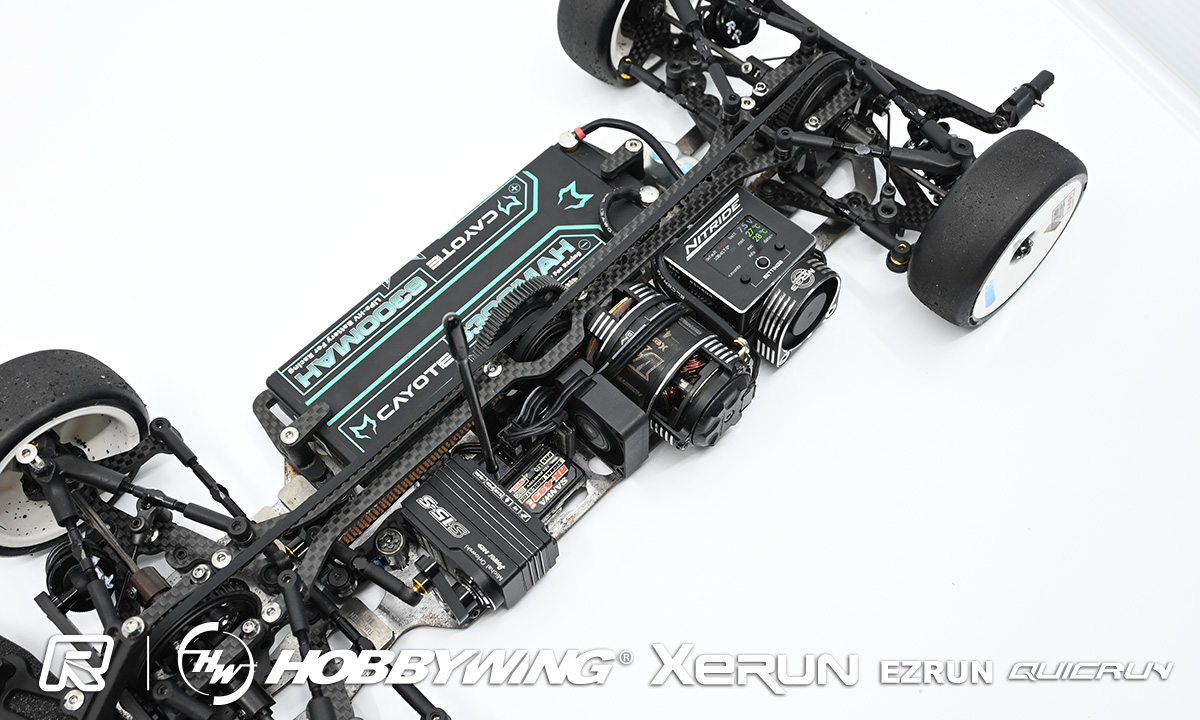
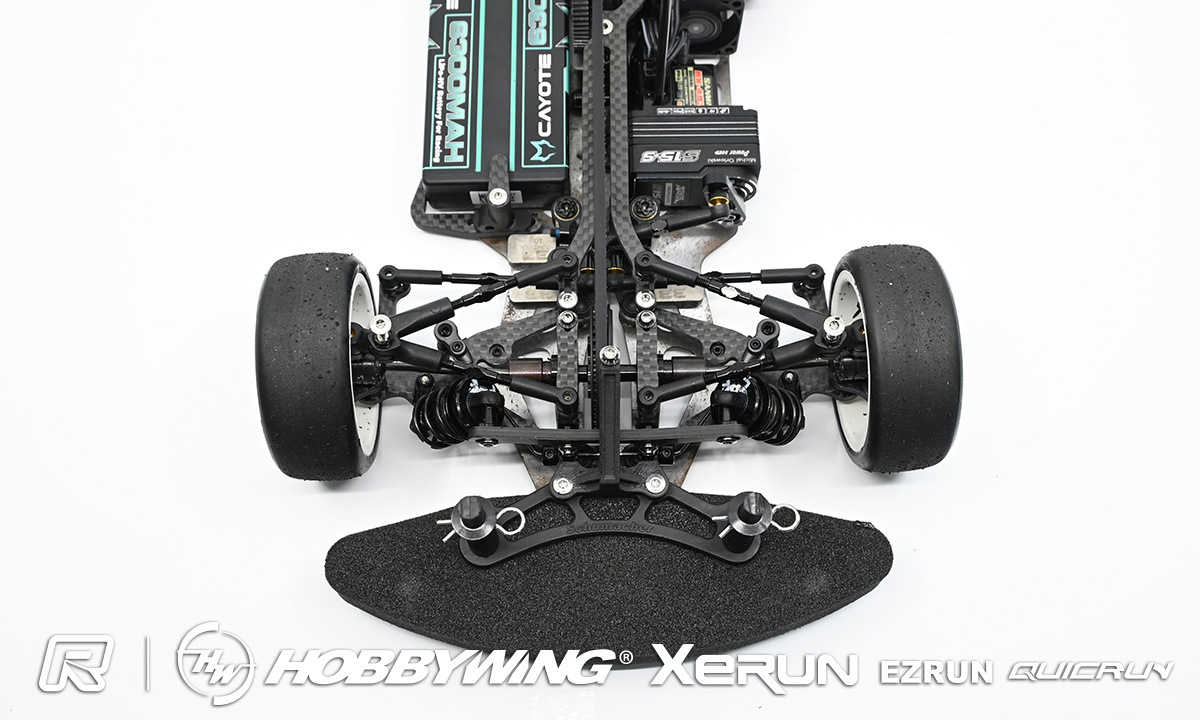
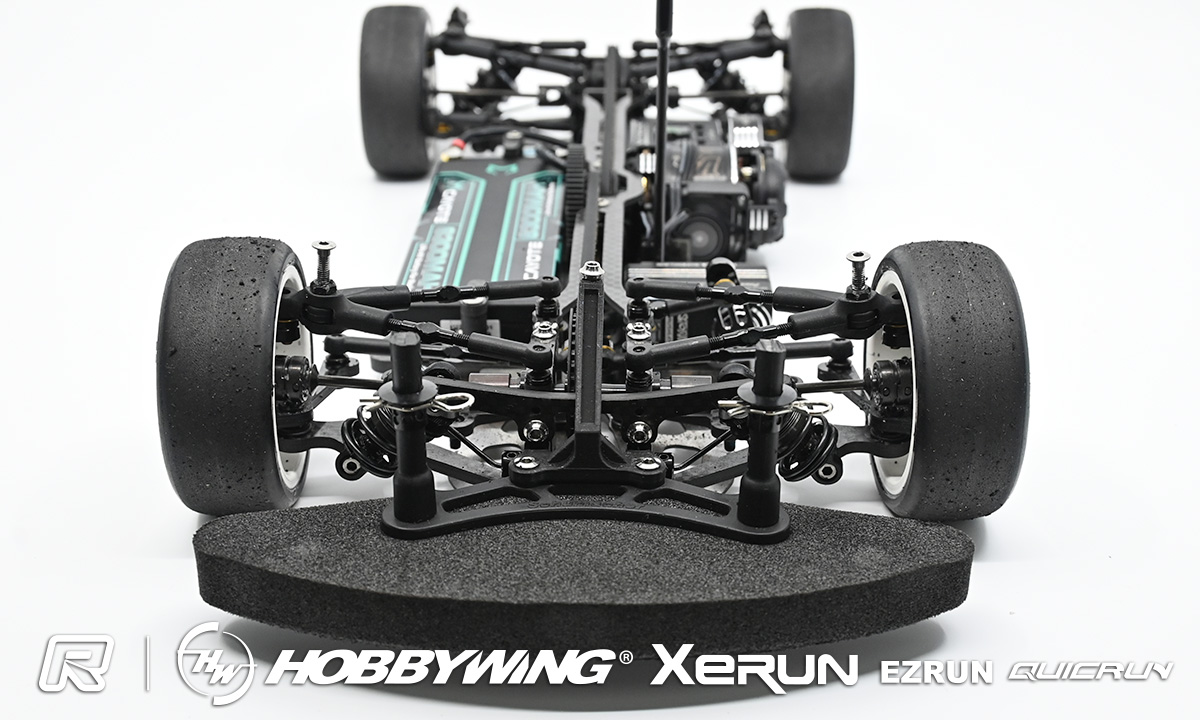
Chassis Focus – Michal Orlowski (Schumacher)

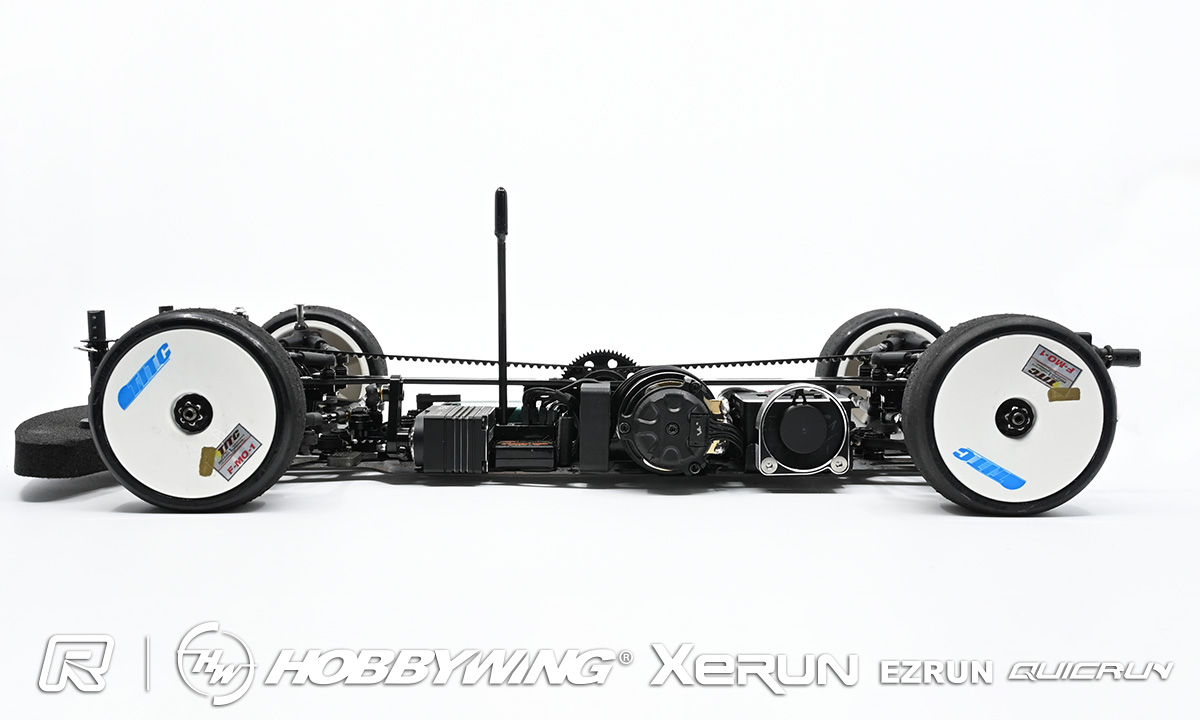
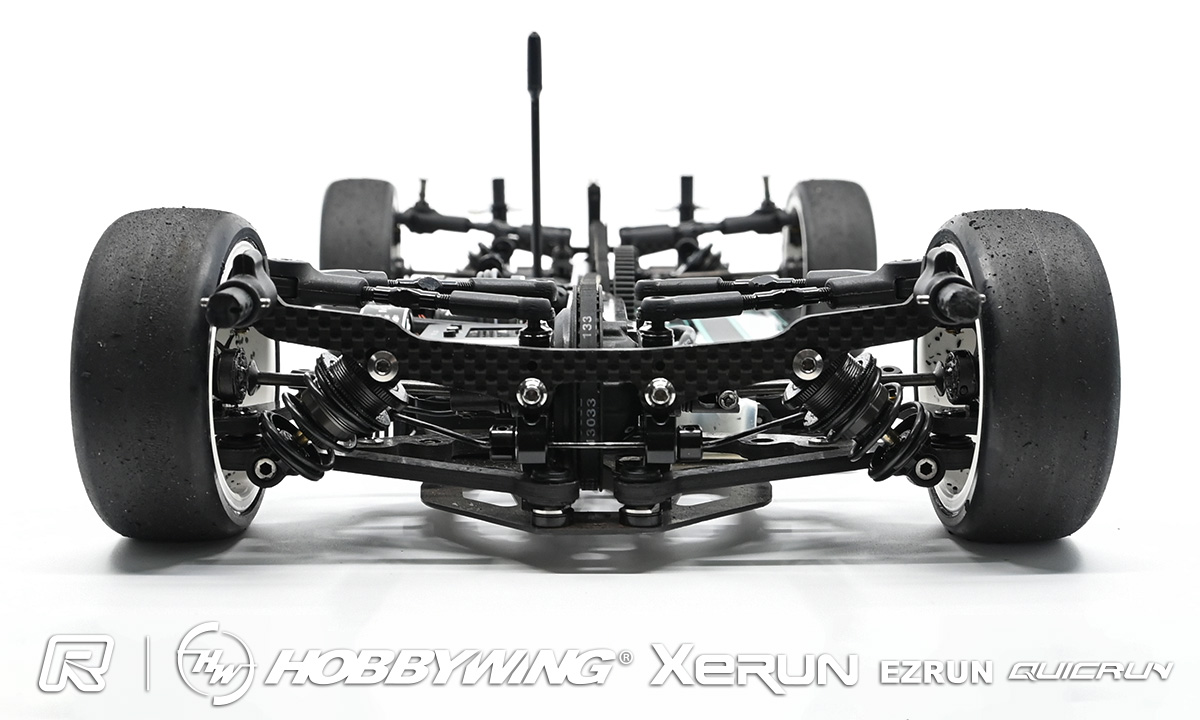
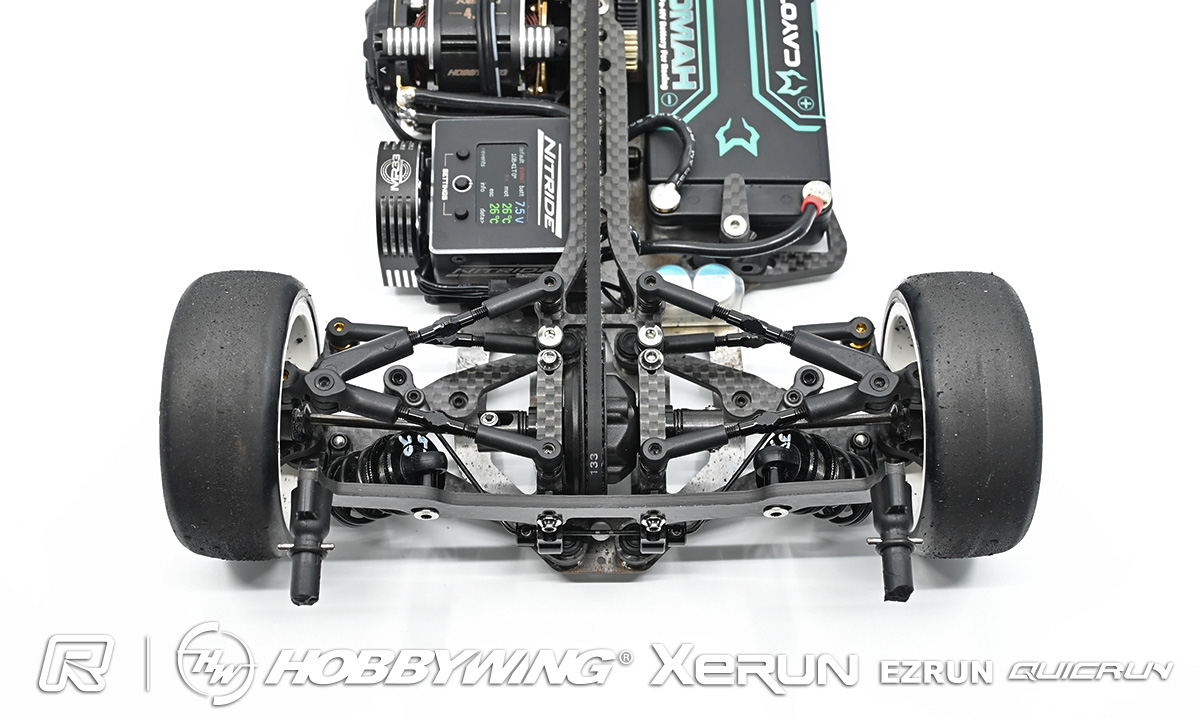
Chassis – Schumacher Mi9
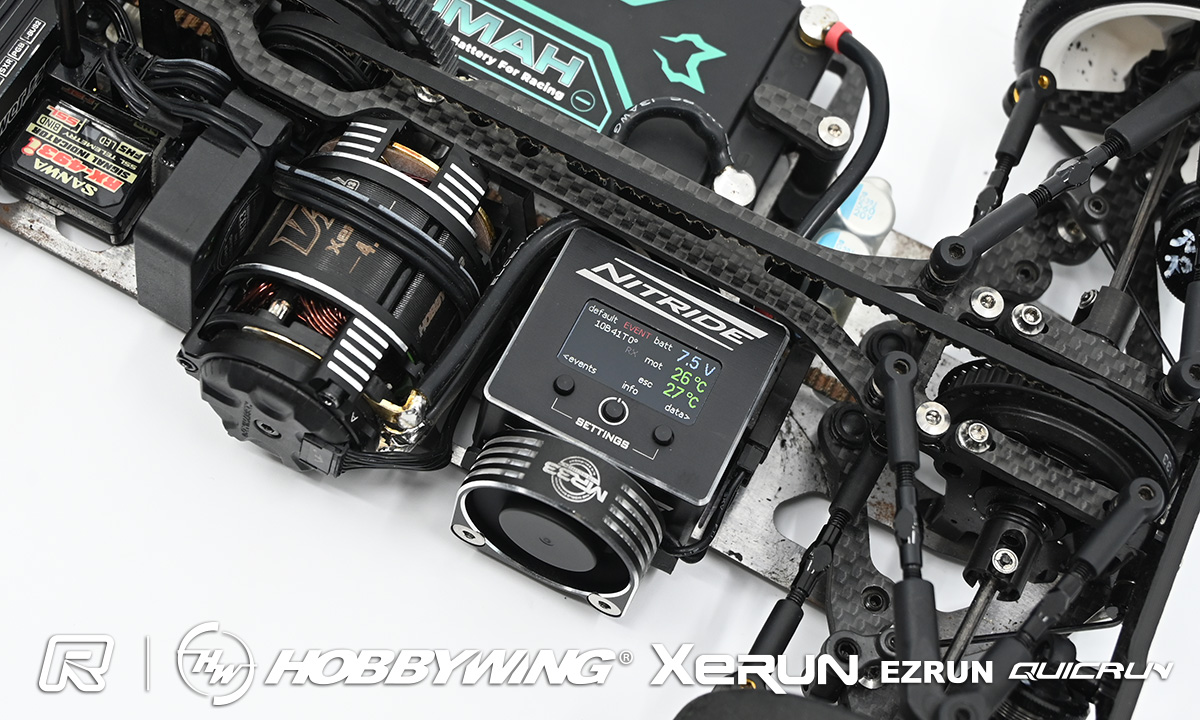
ESC – Elceram Nitride
Motor – Hobbywing G3 4.5
Battery – Cayote 6300mah
Tires (handout) – Sweep
Radio/Servo – Sanwa M17s / Power HD S15-S
Body – Xtreme Speciale

Image Gallery


February 23, 2025

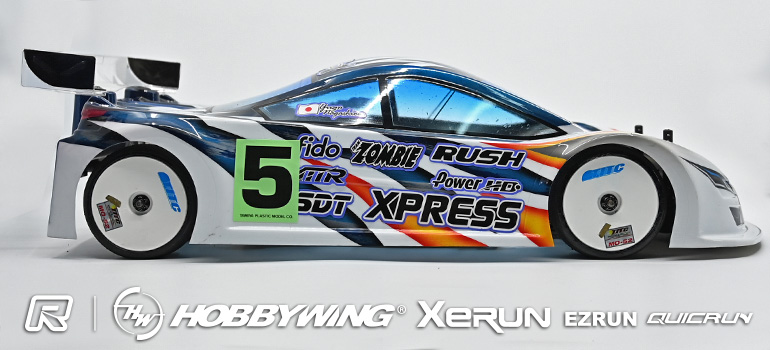
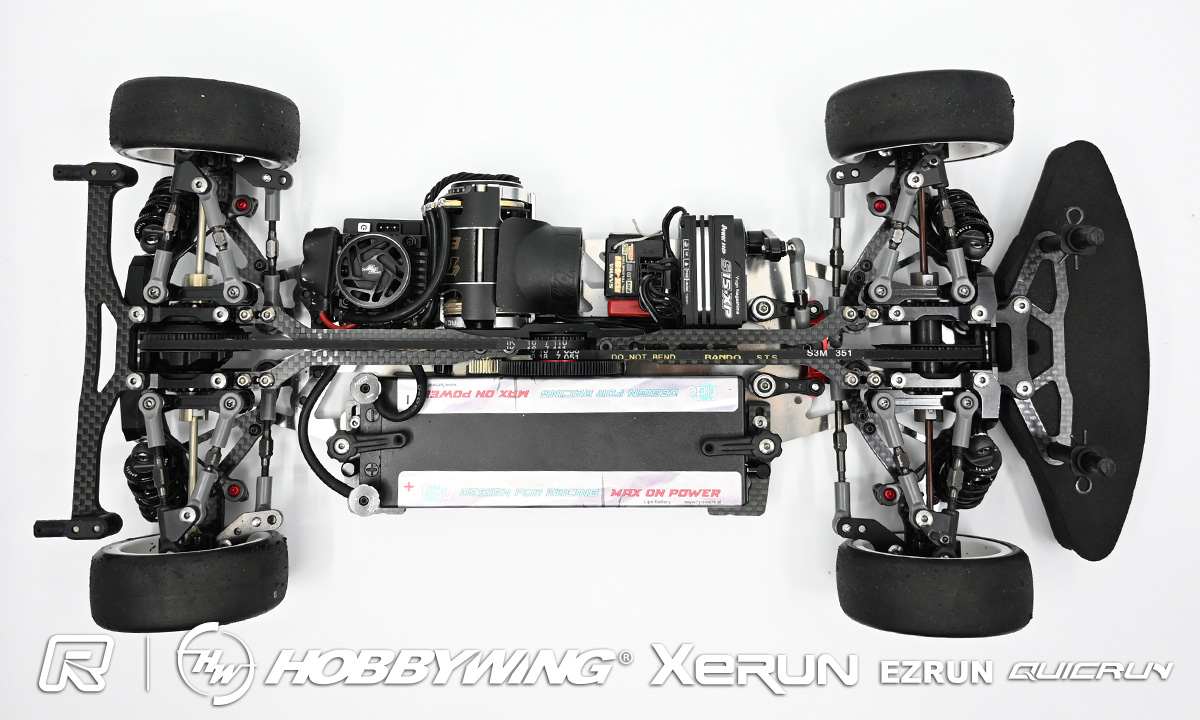
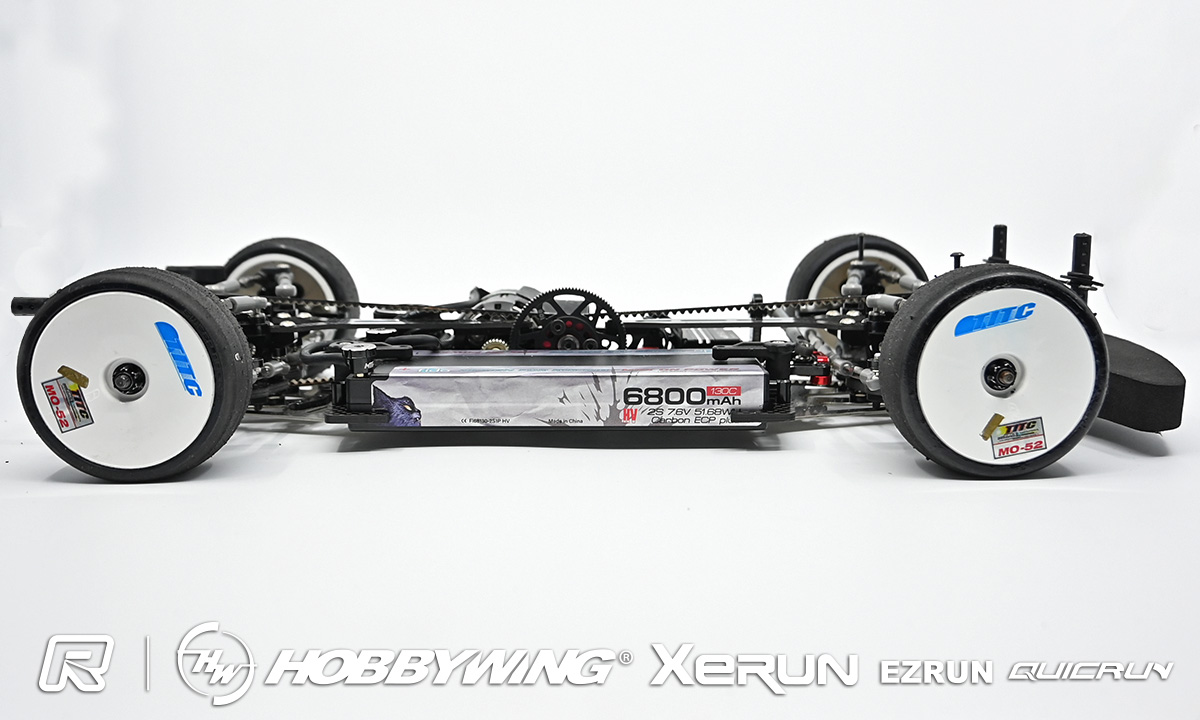
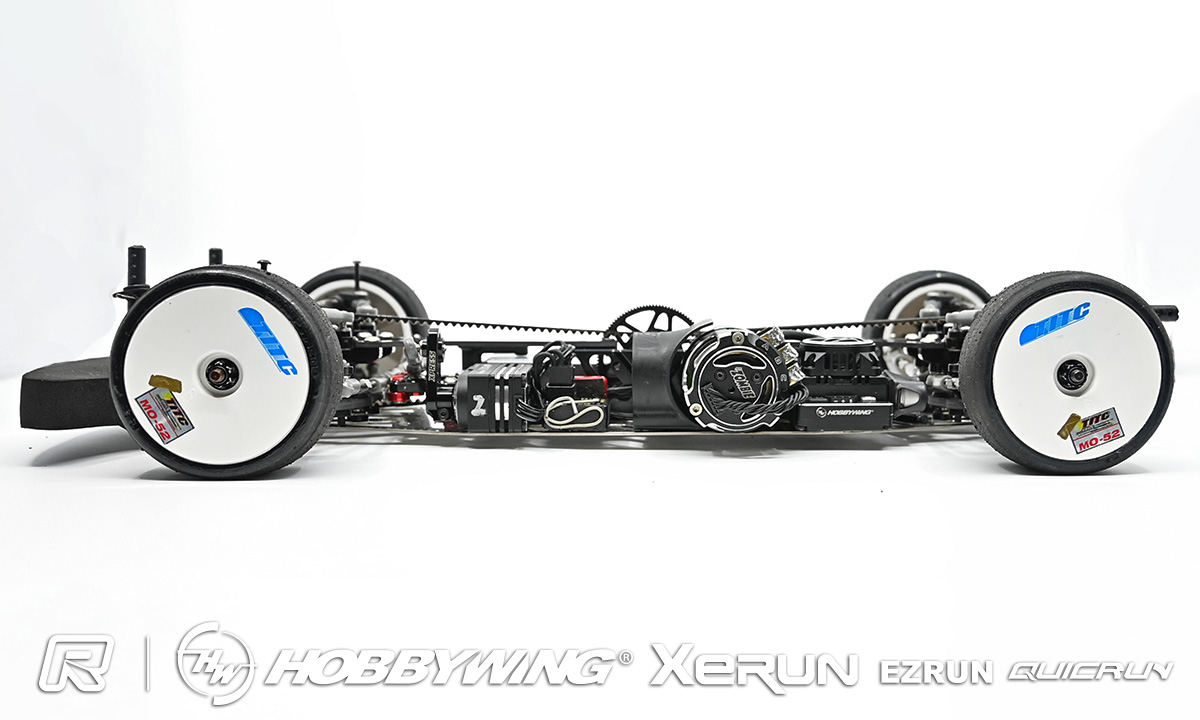
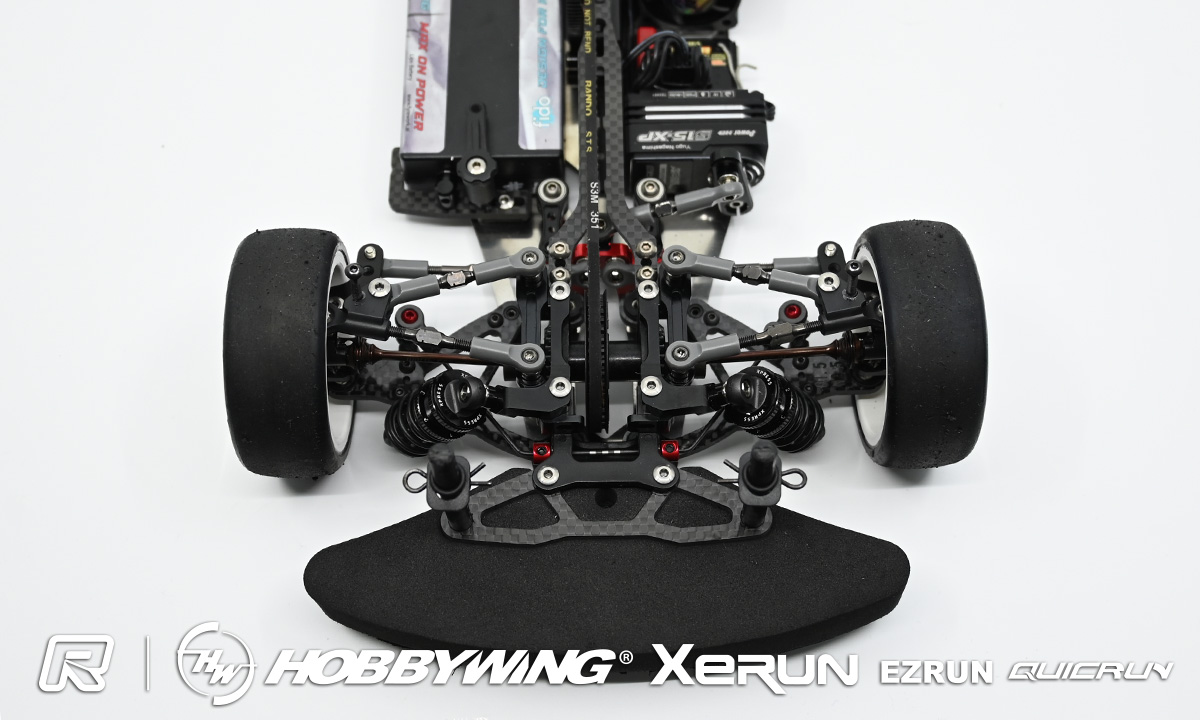
Chassis Focus – Yugo Nagashima (Xpress)

Chassis – Xpress XQ 11R
ESC – Hobbywing G3
Motor – Zombie Evo 2
Battery – Fido 6800mah
Tires (handout) – Sweep
Radio/Servo – Sanwa M17 / Power HD GTS-2
Body – Xtreme Speciale

Image Gallery


February 22, 2025

The TITC inside line with Salton Dong – Day 3
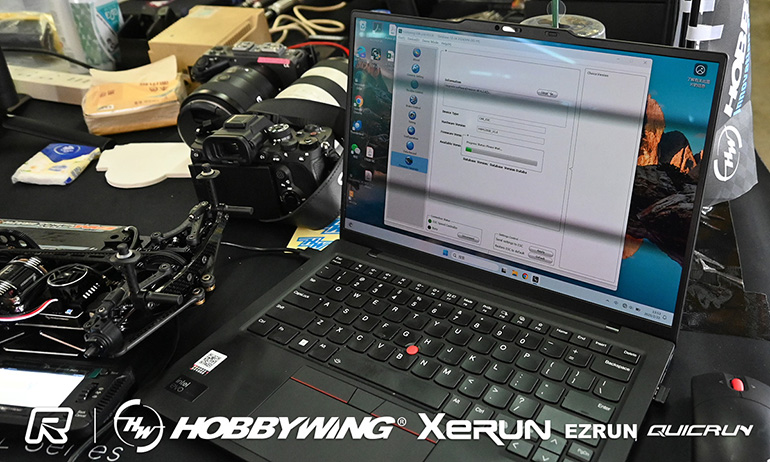
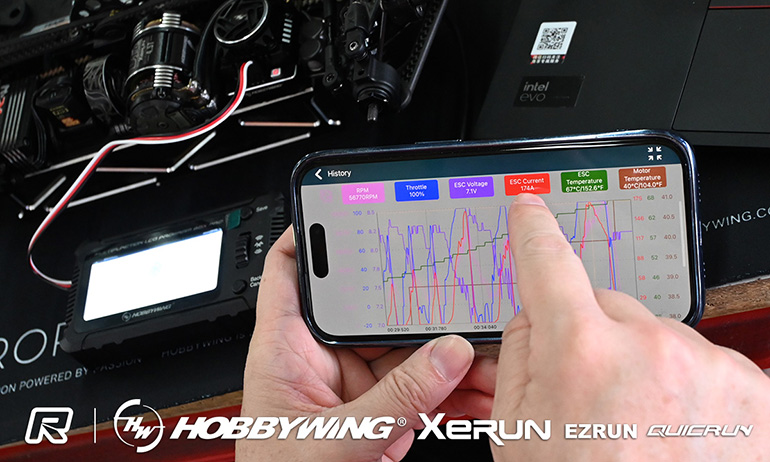
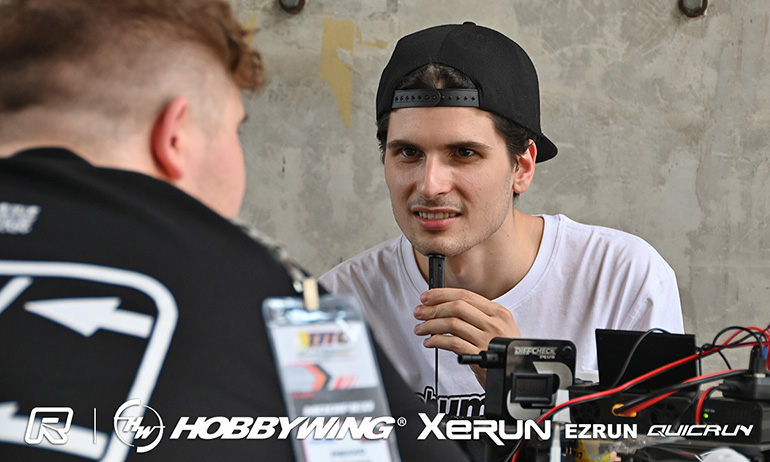
They say data is king, but that is only true if you know what data you are looking at and what to do with it, and that is what today’s topic of conservation from the TITC is with Salton Dong from Hobbywing.  Attending major races as technical support for drivers using Hobbywing electronics, Salton often finds himself more involved with drivers and chassis manufacturers than just purely for electronics.  Data logs from the ESC show a lot of information and some of the details can be quite interesting if you know where to look and not just in terms of what the electronics are doing but also the inputs coming from the drivers stand!

While every user of a Hobbywing ESC can access the data log from a run, Salton admits the data is more for an expert user but he was keen to highlight a little how Hobbywing uses it in supporting its team drivers on the electronics side and beyond.  He said, ‘the data is not very easy to understand inside and what is what, but for us we can diagnose some complicated cases.  When we feel we don’t have a proper sense of what has caused a particular issue, then we can take the data log to further compare what might be going on.’  He also explained how in more straight forward cases they can also use the data logs to help analysis feedback from drivers or check if what a driver is feeling during a run is actually what they think it is.’  With data being his thing, Salton says it can be quite interesting to see in the data from the various drivers how they each control the throttle in different ways.

Working with drivers from all different chassis manufacturers, who are locked into intense battles with one another to win races like the TITC, he is privy to a lot of information on their car set-up etc.  While that information always remains confidential, on the side of the electronic data Salton says the sharing of this information is a key part of his support role.  Giving an example of this he explained,  ‘In Open Brushless because we have a lot of drivers in the A-Main, sometimes if one team is faster sometimes other team drivers will think ‘oh maybe Salton gave them some better motors or some secret settings and that is why I’m am slower’ than the other drivers but actually for me in my role with the top drivers I will share my knowledge on settings and the material we have prepared for an event.  If we see one of our drivers who should be faster we will go to them to check if anything is not so good.  Some drivers, sometimes, don’t believe I can use the data to show them what is the real reason they are slower, and not on the power side, so this makes me like a bridge sometimes between different chassis brands.  Of course I will respect any secrets in the chassis but on the power side I prefer to be open to all our drivers.  Sometimes with lower skilled drivers I will have some different suggestions because of the control skills but I will tell them why I do it like this and what the problem with the difference will be and most understand this.’

He continued, ‘When I collect data from different sources I can analysis it and maybe combine a better one.  Team A might have less in some setting and Team B might have a good element in their setting so I can try combine these and can also tell them each the good and the bad things of their current settings.  Of course the setting they choose is totally their decision, it might be down to their preference, but by giving them an insight it might give them more options to try.’

In modified he says things are different, ‘especially with the top guys, like Bruno, Orlowski, there is quite a lot of difference in their power settings.’  He continued, ‘An interesting thing is only when they have some problems, what ever it is, not power, but maybe chassis or other things, they will be anxious to know others ESC settings.  Because they can’t find a reason they are having problems they want to know everything about their opponent, and it is then if you tell them the difference they are more keen to try.  If drivers are running ok they will not easily change the power setting especially once the race has started.  In Modified power setting priority is quite low.  For example today before Q4 I was talking to Alex (Hagberg) and he asked me to please update the firmware for him.  He knows we have new firmware but in the practice days he didn’t ask to do it because he is working very hard on the chassis and didn’t what to try, although I told him there may be some benefit.  But today already he had nothing to lose so he wanted to try the new firmware so I upgraded it for him.  Sometimes lots of different things effect their decision, it quite difficult for them to have big changes when the competition is good.’

Asked from his experience why drivers were hesitant to make ESC changes he said, ‘the problem is it can be quite complex and they can get lost with things.  If it is not so good they will blindly follow some fast guys but usually first they follow their team-mate but if the whole team is not going well it is usually only at this point they come to ask if I can share some information.’


February 22, 2025

JQ at the TITC – Day 3
Another day complete at the TITC and Invisible Speed’s Joseph Quagraine has been focusing on the finer details and convincing a few people to get on board with the idea.  We’ll hand you over to JQ to explain…….

Qualifying and one main is done here at TITC, and I have learned something more.  This one is a mistake I see even the very best drivers make, and in some ways it is illogical, based on how attention to detail oriented and precise the on road nerds…I mean racers are.  While they weigh and measure everything to the tenth of a gram, degree or mm, the surprising thing is their approach to setup.  When it comes to changes the changes are not a 10th of a gram, degree or mm, they are far bigger.  And this is not the best way in my opinion.

Let me explain like this: The way I have seen drivers approach setup at TITC, is as if you go to a steak house, order a medium steak, receive it slightly too rare, then instead of asking for it to be cooked slightly more, you leave the restaurant, set it on fire, fly to a different country, and order lobster.  While the lobster might be amazing, a better approach would be to cook the steak a bit more.

Earlier in the race the Xray boys were struggling, and having worked with Hagberg on Invisible Speed and Ronnefalk at Mayako I am friends with them, so for Q2 on, I gave them a suggestion of a base to go with, and have mainly since then tried to stop them making changes, and instead suggested minor tweaks.  They did improve but too late, and unfortunate DNFs also ruined better placings for the finals.

I am here with Pekko Iivonen, who runs Schumacher, so I have got to know his team mate Michal Orlowski better at this race.  Maybe a few helpful tips, along with Pekko being very fast in practice made him trust me a bit, so he has asked me for my opinion a few times.  Without exception I have recommended less, and smaller changes, with one particular time being my favourite change, bumpsteer. 0.5mm in shims, and Michal doubted just that would be enough, and I said I believe it would, and thankfully it was.

The lessons so far, are to create a base setup using knowledge, not experience, then make smaller changes than currently, based on knowledge mixed with experience.  This on road thing really is rewarding from an engineering minds point of view.